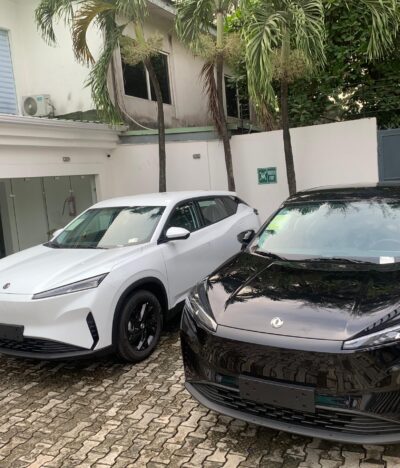
One of the most common questions in today’s EV market is simple: why does a car that appears affordable in China become significantly more expensive in Nigeria? It may seem like a pricing issue, but in reality, it is a structural one.
A highly supportive ecosystem shapes EV prices in China. Years of government incentives, infrastructure investment, and policy direction have reduced the real cost of ownership. Combined with massive production scale, tightly controlled supply chains, and intense domestic competition, manufacturers are able to offer prices that global markets cannot easily replicate. In many cases, these prices are designed to win market share locally, not reflect export realities.
However, a growing part of the confusion comes from what happens next. Some independent dealers take advantage of these domestic prices, purchasing vehicles within China and exporting them directly to markets like Nigeria. On the surface, this creates the illusion of a bargain. In reality, it introduces a different set of risks that are often invisible at the point of purchase.
These vehicles are typically moved outside of official distribution channels, which means they arrive without structured after-sales support, without valid manufacturer warranties, and often without alignment to the conditions of the destination market. Simply put, they were not built, configured, or supported for use in regions like Nigeria. What appears to be a cost advantage upfront can quickly become a liability when maintenance, repairs, or technical issues arise.
Once vehicles are sourced through official and compliant channels, the pricing reality changes. Shipping, duties, port handling, and regulatory requirements all add cost. In Nigeria, there are no subsidies or systemic advantages to cushion pricing, and importers must also account for currency volatility, inventory risk, and long-term service obligations. What emerges is not an inflated price, but a complete one, one that reflects both the product and the responsibility that comes with it.
This is why price comparisons are often misleading. Not all vehicles in the market are equal, not in origin, not in support, and not in long-term value. The real distinction is not just between “cheap” and “expensive,” but between unstructured access and accountable delivery.
At SAGLEV, we believe value is defined not just by price, but by certainty, authentic sourcing, verifiable documentation, and a commitment to support beyond the point of sale. Because in a market like ours, what matters is not just what you pay, but what stands behind it.