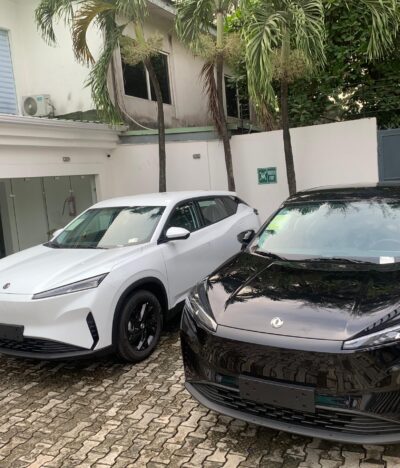
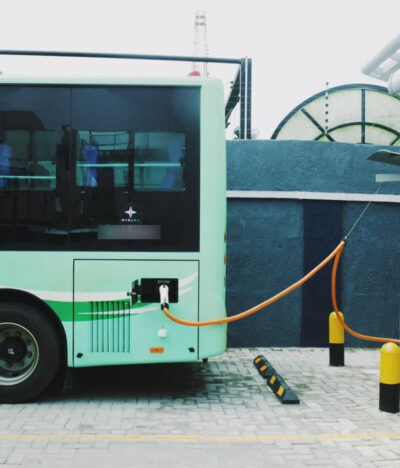
Electric vehicles (EVs) are no longer a futuristic option in 2026, they are practical, cost-efficient, and increasingly necessary for Nigerian drivers and businesses.

Fuel Prices and Maintenance Are Rising
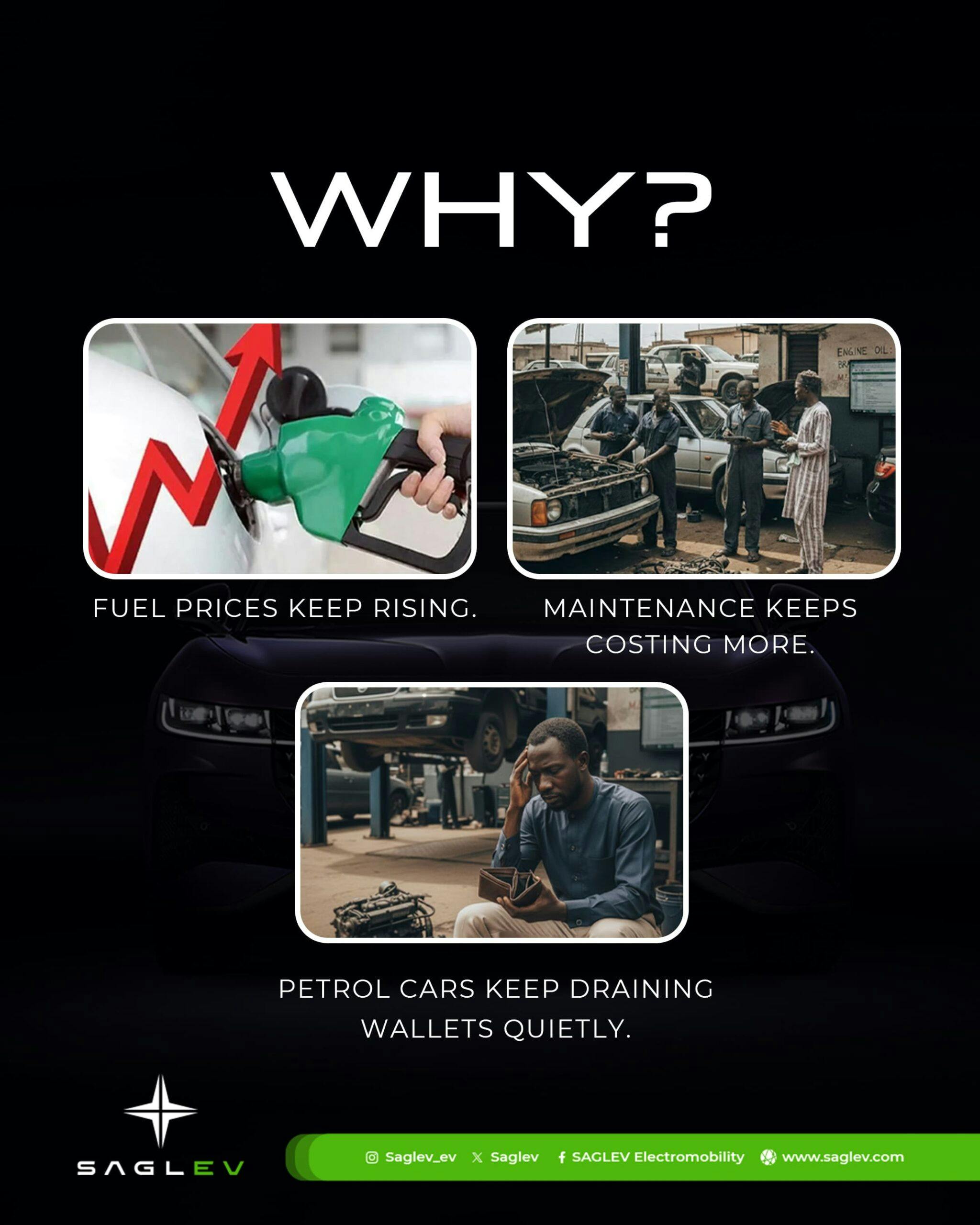
Petrol prices remain volatile, and vehicle maintenance costs are climbing. Traditional cars may seem affordable at purchase, but fuel, servicing, and unexpected repairs add up, often exceeding initial expectations.
Why EVs Make Financial Sense
- Energy savings: EVs eliminate dependence on petrol. Charge at home, work, or public stations, and reduce exposure to fuel shortages.
- Lower maintenance: Fewer moving parts mean no oil changes, reduced brake wear, and fewer mechanical failures.
- Comfort & performance: Smooth, quiet driving makes city commuting easier and less stressful.
- Environmental impact: Zero tailpipe emissions support cleaner Nigerian cities and align with global sustainability goals.
Policy Changes Are Accelerating the Shift

- Clampdown on used car imports: From 2026, stricter import rules aim to curb substandard vehicles and encourage local assembly.
- End-of-Life Vehicle (ELV) policy: Recycling and proper disposal of old cars will improve safety, reduce pollution, and create jobs.
- EV incentives: New regulations are paving the way for more local EV assembly, tax breaks, and infrastructure expansion.
ESG Reporting Becomes Mandatory in 2028

Corporate sustainability is moving from voluntary to compulsory. Nigerian companies will need to disclose environmental, social, and governance (ESG) performance, making EV adoption a smart choice for businesses looking to reduce environmental risks.
The Bottom Line

Ignoring EVs in 2026 is not neutral, it’s costly. Lower operating costs, government incentives, and alignment with emerging policies make electric mobility the logical choice for Nigerians today.